Choosing the perfect patio door is a significant decision for any property owner. Whether you manage a bustling commercial space in Plano or own a home in Preston Hollow, the debate of french doors versus sliding doors is a common one. Both styles offer distinct advantages in terms of aesthetics, energy efficiency, and security. Understanding these differences is essential for making an informed investment that enhances your property’s value and functionality.
At Select Sliding Doors, we understand that time is money. Our clients expect reliable, efficient service backed by a solid 10-year warranty. If you are wondering which is better sliding or french doors, this comprehensive guide will break down the key factors to help you decide.
Space Efficiency and Room Layout
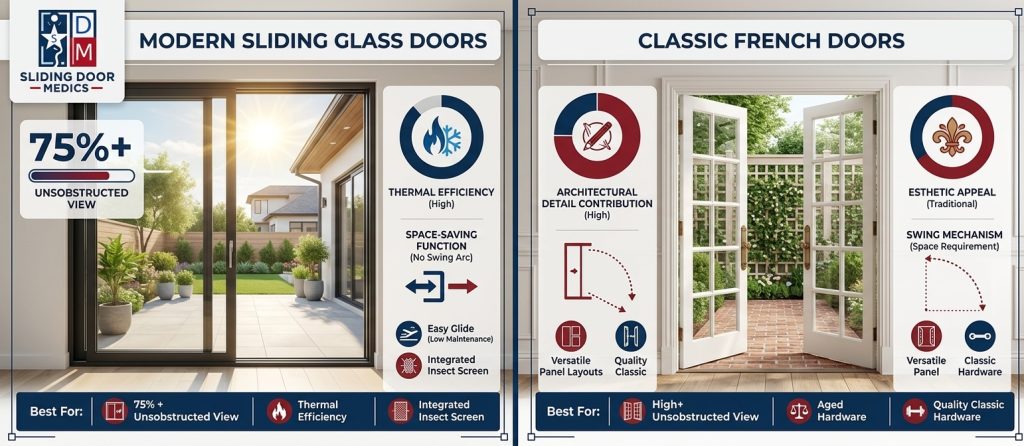
The most immediate difference between a sliding door versus a french door is how they operate within a space. Sliding doors operate on a track, gliding parallel to the wall. This design is exceptionally space-efficient, making it ideal for areas where square footage is at a premium or where furniture placement is close to the entryway. Because they do not require swing clearance, sliding doors maximize usable floor space.
Conversely, French doors require swing space. Whether they open inward or outward, you must account for the radius of the doors when planning your room layout or patio design. While they offer a wide, unobstructed opening when fully extended, the necessary clearance can be a drawback in tighter spaces. For commercial property managers aiming to maximize floor space for tenants, sliding doors often present a more practical solution.
Energy Efficiency: Keeping the Texas Heat Out
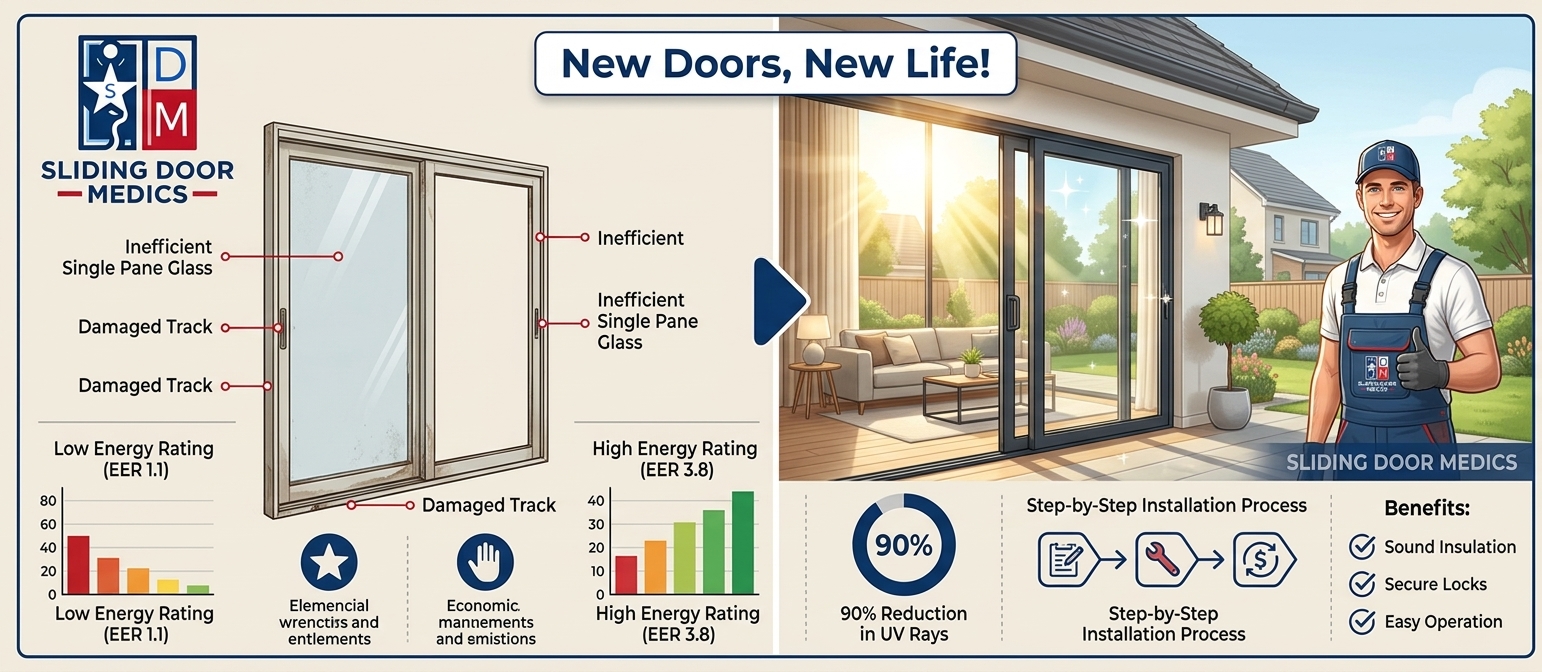
Energy efficiency is a paramount concern for property owners in the Dallas area, where summer temperatures regularly soar. Both door types can be highly efficient, but they achieve this in different ways. According to the U.S. Department of Energy, installing ENERGY STAR certified doors can reduce energy bills by an average of up to 13% nationwide [1].
Sliding doors typically feature a tighter seal when closed and locked, as the panels overlap and interlock. Modern sliding doors often utilize energy-efficient glass with low-emissivity (low-e) coatings and argon gas fills to minimize heat transfer. The National Fenestration Rating Council (NFRC) label is a crucial indicator of a door’s performance, measuring the Solar Heat Gain Coefficient (SHGC) and U-factor [1].
French doors can also be energy efficient, but they are more susceptible to air leaks at the center point where the two doors meet. High-quality French doors address this with robust weatherstripping and multi-point locking systems that pull the doors tightly against the frame. However, over time, if the doors become misaligned, their energy efficiency can diminish. Regular maintenance, such as knowing how to adjust patio door hinges or rollers, is vital for maintaining optimal performance.
Security: Protecting Your Investment
Security is a top priority for both residential and commercial properties. The security profiles of French vs sliding doors have evolved significantly with modern manufacturing techniques.
Historically, sliding doors were viewed as less secure due to vulnerabilities in the track system and simple latch locks. However, modern sliding doors feature reinforced glass, anti-lift devices that prevent the panels from being removed from the tracks, and advanced locking mechanisms. The FBI reports that a substantial percentage of burglaries involve forced entry, underscoring the need for robust door security [2].
French doors are generally considered highly secure when equipped with the right hardware. A standard deadbolt is insufficient; French doors require multi-point locking systems that secure the door at the top, middle, and bottom simultaneously. Additionally, the glass in French doors should be tempered or laminated to resist shattering.
Cost Comparison: Initial Investment and Long-Term Value
When evaluating the cost of French vs sliding doors, it is important to consider both the initial purchase price and the long-term maintenance costs. Generally, French doors command a higher initial price point. This is due to the complexity of their design, the materials used (often solid wood or fiberglass), and the intricate hardware required.
According to industry estimates, the basic cost to install French doors ranges from $1,712 to $2,617 per door, depending on site conditions and options [3]. Sliding doors are typically more affordable, both in terms of the product itself and the installation labor. The straightforward track mechanism and standard frame designs contribute to this cost-effectiveness.
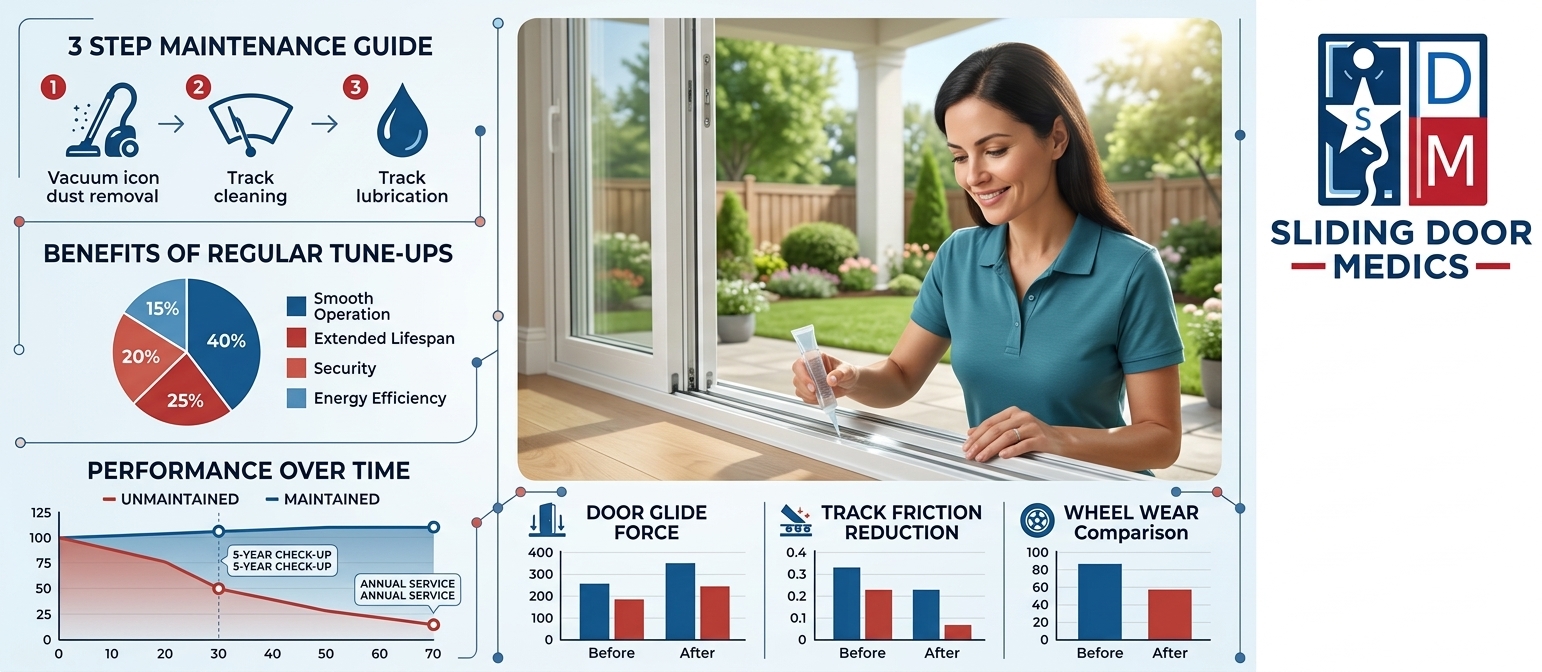
However, the long-term value depends on durability and maintenance. Sliding doors require regular track cleaning to ensure smooth operation. If a roller fails, you may need a sliding glass door repair to restore functionality. French doors require hinge maintenance and periodic checks of the weatherstripping to prevent drafts.
| Feature | Sliding Doors | French Doors |
|---|---|---|
| Space Requirement | Minimal (operates on track) | Moderate (requires swing clearance) |
| Energy Efficiency | High (tight seal, low-e glass) | Moderate to High (requires good weatherstripping) |
| Security | Moderate to High (needs anti-lift devices) | High (with multi-point locks) |
| Initial Cost | Lower | Higher |
| Maintenance | Track cleaning, roller replacement | Hinge adjustment, weatherstripping checks |
Aesthetics and Design: Matching Your Architectural Style
The visual impact of your doors significantly influences your property’s overall aesthetic. French doors are synonymous with classic elegance and traditional charm. Their wider frames and multiple glass panes (lites) complement architectural styles ranging from Colonial to Craftsman. They offer a sophisticated transition between indoor and outdoor spaces.
Sliding doors excel in modern and contemporary settings. Their narrow frames maximize the glass area, providing expansive, unobstructed views and flooding the interior with natural light. For properties emphasizing a minimalist aesthetic or aiming to blur the lines between inside and out, sliding doors are an exceptional choice.
Maintenance and Durability
Durability is crucial, especially for commercial properties experiencing high traffic. Both door types require specific maintenance to ensure longevity. Sliding doors rely on rollers and tracks. Dirt and debris in the track can cause the door to stick or jump the track, necessitating a sliding door repair.
French doors rely on hinges that must bear the weight of the solid door panels. Over time, hinges can sag, leading to misalignment and difficulty closing the doors securely. Regular adjustments are necessary to maintain their structural integrity and energy efficiency.
Making the Right Choice for Your Property
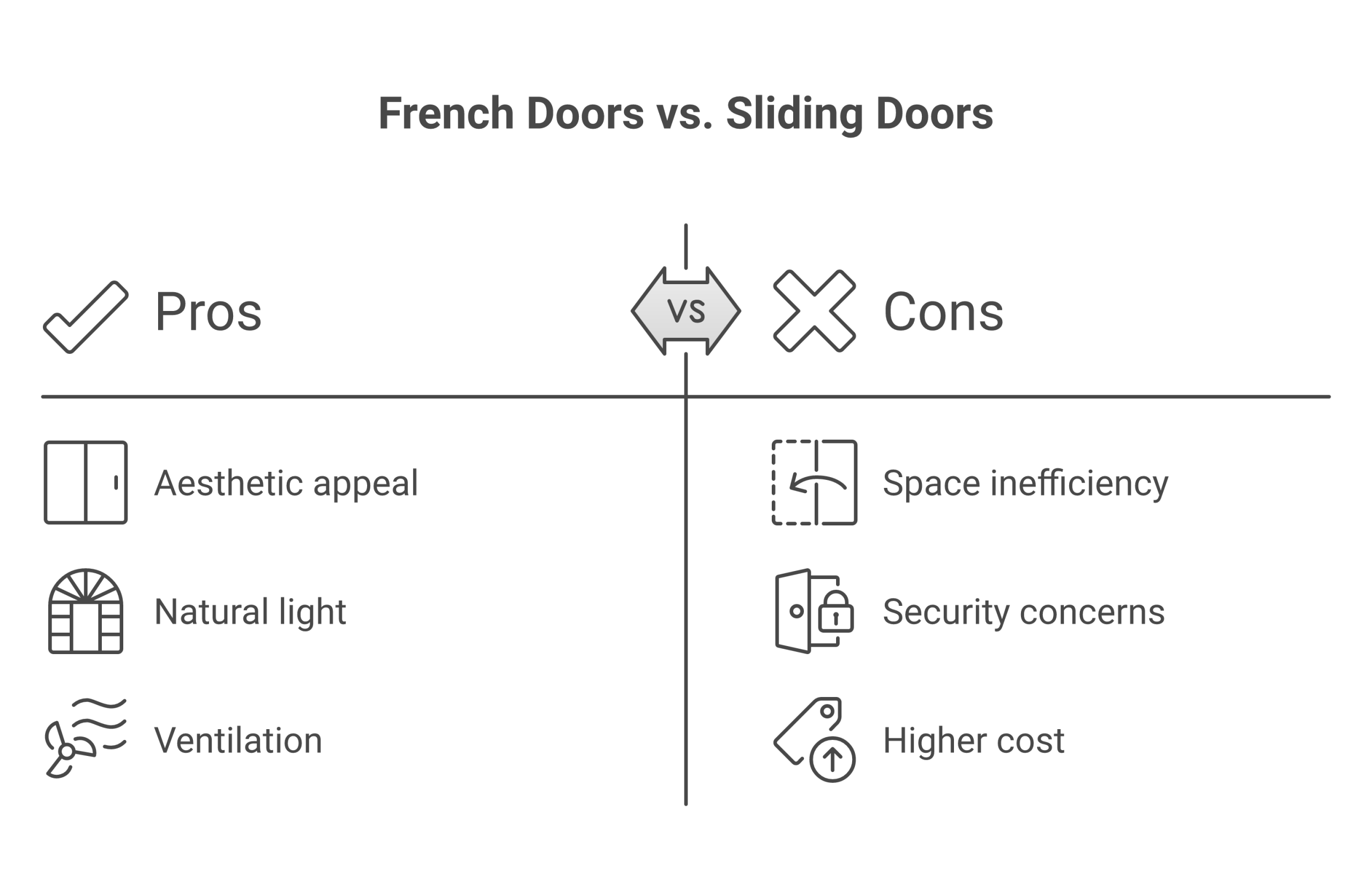
Ultimately, the decision between French doors and sliding doors hinges on your specific priorities. If space optimization, modern aesthetics, and cost-effectiveness are paramount, sliding doors are an excellent investment. If you prioritize classic design, wide openings, and are willing to invest in premium hardware, French doors offer timeless appeal.
For property owners in the Dallas area, Select Sliding Doors is your trusted partner for all door and window needs. Whether you require a new installation or closet sliding door repair, our team delivers fast, reliable service backed by a 10-year warranty. We understand that your time is valuable, and we are committed to getting the job done right the first time. Contact us today to discuss your project and ensure your property remains secure, efficient, and beautiful.
Sources
- Energy Saver: Doors — Information on energy performance ratings, NFRC labels, and the potential energy savings of installing efficient doors.
- FBI — Burglary — Statistics regarding the frequency and nature of property crimes and burglaries in the United States.
- Cost to Install French Doors — Estimated national average costs for installing French doors, including labor and materials.