The Dallas heat beckons us outdoors, and a well-functioning sliding screen door is your best friend for enjoying that breeze without the bugs. But what happens when your screen door starts to drag, stick, or refuse to slide at all? Often, the culprit is a worn-out track. Don’t sweat it! Replacing your sliding screen door track is a manageable DIY project that can restore your outdoor access and boost your home’s comfort. This guide walks Dallas homeowners through the process, ensuring a smooth, reliable result.
Setting the Stage: Understanding Your Screen Door Tracks
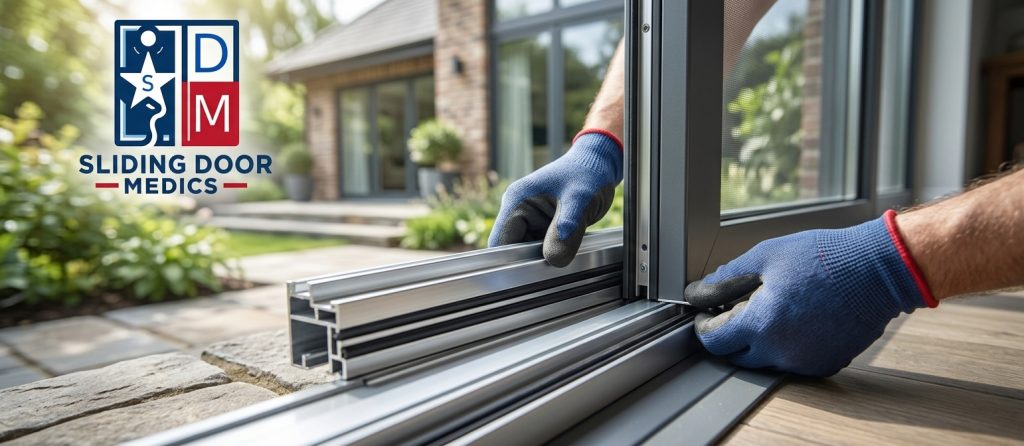
Before you grab your tools, it’s helpful to understand what you’re working with. Sliding screen doors typically rely on two main tracks: a top guide track and a bottom rolling track. This guide will focus primarily on installing a new bottom sliding screen door track, as this is the component that experiences the most wear and tear from friction and debris. While the principles are similar for top tracks, the bottom track is where the door’s weight rests and where smooth operation is most critical.
Essential Tools and Materials
Having the right gear makes all the difference for a successful track replacement. Gather these items before you begin:
- New Screen Door Track: Ensure it matches the material and length of your existing track. Some tracks are surface-mounted, while others are recessed into the frame. Measure your old track precisely.
- Measuring Tape: Accurate measurements are crucial for a proper fit.
- Utility Knife or Scraper: For removing old caulk or adhesive.
- Drill with Pilot Bit: To create guide holes for screws.
- Screwdriver: To secure the new track.
- Hammer & Punch (Optional): To mark pilot hole locations.
- Construction Adhesive or Silicone Sealant (Optional): Depending on your track type and desired seal. Choose a high-strength construction adhesive for a strong bond on materials like aluminum or vinyl, or a silicone sealant for moisture resistance and flexibility.
- Screws: Self-tapping screws appropriate for your frame material (e.g., stainless steel for rust resistance) and track type. Look for screws that are long enough to secure the track firmly without penetrating too deeply into the door frame.
- Vacuum Cleaner & Damp Cloth: For thorough cleaning.
- Work Gloves & Safety Glasses: Always prioritize safety!
Estimated Time and Difficulty
Replacing a sliding screen door track is generally considered a moderately easy DIY project. For someone with basic handyman skills, it typically takes 1 to 3 hours from start to finish. Factors like the condition of the old track, the type of track, and whether you also replace the rollers can influence the overall time commitment.
The Step-by-Step Installation Process
Preparing Your Workspace and Assessing the Damage
Clear the area around your sliding screen door. Remove any obstructions, rugs, or furniture. Take a moment to inspect your existing track. Are there visible bends, cracks, or excessive wear? Understanding the damage helps ensure you’re addressing the root cause. This is also a good time to double-check your measurements, accounting for the top pocket depth, bottom track height and width, and side pocket width.
Removing the Old Track
This step requires patience and care to avoid damaging the door frame.
- Remove the Screen Door: Carefully lift the screen door out of its frame. You may need to adjust the rollers (turn counterclockwise) to provide enough clearance to remove the door. Set the door aside in a safe place.
- Clear Obstructions: Use a utility knife or scraper to carefully cut through any old caulk, paint, or adhesive sealing the track to the frame. Take your time to ensure a clean break.
- Unscrew the Track: Locate and remove all screws securing the old track. Keep track of them if you plan to reuse them, though new screws are often recommended for a fresh installation.
- Pry Off the Track: Gently pry the old track from the frame. You might need a flat-head screwdriver or a small pry bar. Work slowly along the length of the track to prevent bending or breaking. If your existing track is integrated into the door frame and cannot be removed, you might need a surface-mount replacement track.
- Clean the Surface: Once the old track is removed, thoroughly clean the mounting surface. Scrape off any residual caulk, adhesive, paint, or dirt. Use a vacuum to remove debris, then wipe the surface with a damp cloth or denatured alcohol to ensure it’s spotless and ready for the new track. This critical step ensures proper adhesion and a level fit.
Inspecting and Replacing Rollers (Recommended)
Before you install a sliding screen door track, take a moment to inspect the screen door’s rollers. Worn or damaged rollers are a common cause of track issues and can quickly damage your new track. Check if they spin freely, are cracked, or have flat spots. If they look worn, now is the ideal time to replace them. Most rollers are held in place by a single screw and are relatively easy to swap out.
Installing the New Sliding Screen Door Track
Now for the main event: learning how to install a track for a sliding screen door.
- Measure and Cut (if needed): If your new track isn’t pre-cut, measure the length of your door frame’s opening precisely and cut the track to fit using a hacksaw or specialized metal-cutting tool. Ensure clean, straight cuts.
- Position the Track: Place the new track onto the cleaned mounting surface. Ensure it sits flush and is perfectly level. Use shims if necessary to achieve a level surface, especially on older frames.
- Mark Pilot Holes: With the track in position, use a pencil or a hammer and punch to mark the locations for your pilot holes. Aim for consistent spacing, typically every 8-12 inches, and closer to the ends.
- Drill Pilot Holes: Carefully remove the track and use a drill with a pilot bit (slightly smaller than your screw diameter) to create pilot holes at your marked spots. Drilling pilot holes prevents wood splitting and makes screwing easier.
- Secure the Track: Apply a thin, continuous bead of construction adhesive along the underside of the track, if using. Then, position the track, align the pilot holes, and secure it with screws. Drive the screws firmly but avoid overtightening, which can warp the track. If you need assistance with this step or are tackling a larger sliding door repair in Dallas, reach out to the pros.
This completes the main part of your sliding screen door track install.
Reinstalling and Adjusting Your Screen Door
With the track firmly in place, it’s time to get your screen door back in action.
- Retract Rollers: Before lifting, ensure the screen door rollers are fully retracted (turned counterclockwise) to create maximum clearance.
- Lift and Place: Carefully lift the screen door into the upper track first, then lower the bottom rollers onto the new track.
- Adjust Rollers: Use a screwdriver to adjust the roller screws (usually located on the bottom corners of the screen door). Turn them clockwise to extend the rollers. Adjust until the door is level, slides smoothly without sticking or dragging, and the rollers remain properly seated on the track. Test the door several times, making small adjustments until it glides effortlessly.
Maintaining Your New Track for Long-Lasting Smoothness
Once your new track is installed, a little routine care goes a long way in prolonging its life and ensuring smooth operation.
- Regular Cleaning: Debris is the enemy of smooth sliding. Use a vacuum and a damp cloth to clean the track thoroughly every few months, removing dirt, dust, and pet hair.
- Lubrication: A light application of a silicone-based spray lubricant or a dry spray lubricant to the rollers and bottom track can significantly improve glide. These types of lubricants won’t attract dust and grime like oil-based products can. If you’re wondering, “is white lithium grease good for sliding glass doors” for the track, generally, silicone or dry lubricants are preferred for screen door tracks as white lithium grease can attract dirt over time. However, for rollers, a small amount might be acceptable if it’s kept very clean. For a deeper understanding of maintenance, check out resources on sliding glass door repair.
- Avoid Oil-Based Lubricants: As mentioned, oil-based lubricants attract dust and can create a sticky mess, hindering rather than helping smooth operation. To learn more about how to lubricate sliding glass doors trac correctly, focus on non-oil solutions.
Common Issues and Troubleshooting
Even with a new track, minor issues can arise. Here are quick fixes:
- Door Still Sticks: Recheck roller adjustments. Ensure the track is clean. Look for any new obstructions.
- Door Jumps Off Track: This often indicates uneven roller adjustment or a slight warp in the track. Re-level and readjust rollers carefully.
- Gaps Around the Door: Ensure weatherstripping on the screen door is intact and properly seated. You may need to replace worn weatherstripping to maintain a good seal.
Conclusion
Installing a new sliding screen door track can significantly improve your home’s comfort and functionality. By following these steps, you can enjoy a smoothly gliding screen door that enhances your Dallas home’s outdoor living spaces. For homeowners or commercial property owners in Dallas, TX, needing expert assistance with this or any door or window project, including patio door installation Dallas or ADA compliant door repair Dallas TX, a trusted local professional can provide reliable and guaranteed service. Slide into convenience and reliability; your home deserves it. Don’t hesitate to reach out to a reputable service for all your glass sliding door repair and installation needs.
FAQ Section
Q: How do I choose the right type of track for my screen door?
A: Measure your existing track’s dimensions (length, width, height) and observe if it’s surface-mounted or recessed. Match these specifications. Materials typically include aluminum or vinyl, chosen for durability and weather resistance.
Q: When is adhesive better than screws for track installation?
A: Screws offer the most secure mechanical attachment, especially for high-traffic doors. Adhesive can provide an additional seal against moisture and reinforce the bond, particularly for surface-mounted tracks on smooth, non-porous surfaces. For maximum durability, a combination of both screws and a strong construction adhesive is often recommended.
Q: Can I use white lithium grease on my sliding screen door track?
A: While white lithium grease can be effective for some metal-on-metal applications, it’s generally not recommended for sliding screen door tracks. It tends to attract dirt, dust, and debris, which can gum up the track and rollers, leading to more sticking and grinding over time. For screen door tracks, silicone-based spray lubricants or dry lubricants are preferred as they create a slick surface without attracting particulates.
Q: What if my old track is integrated into the door frame?
A: If your existing track is part of the door frame’s extrusion and cannot be removed, you’ll need to install a surface-mount sliding screen door track. These tracks are designed to attach directly to the flat surface of your existing door frame, effectively creating a new track without needing to remove the integrated component. Accurate measurements are crucial for a proper fit.
Q: Is it difficult to install sliding screen door track by myself?
A: For most homeowners with basic DIY skills, installing a sliding screen door track is a moderately easy project. The most challenging parts are often removing the old track cleanly and accurately adjusting the new one. With patience and the right tools, it’s definitely achievable. If you’re unsure, professional help is always an option.