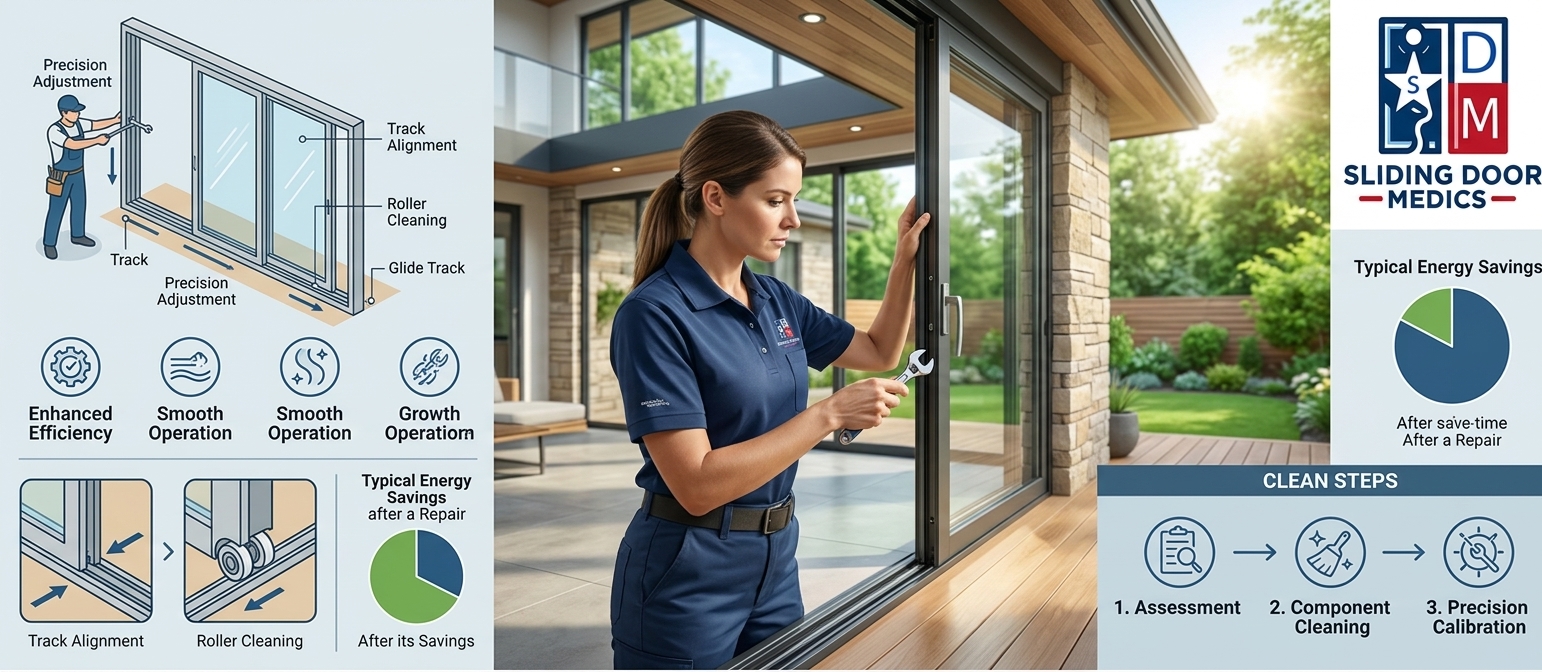
Ever experienced that frustrating moment when your sliding door grinds to a halt or requires a Herculean push to open? You’re not alone. In Dallas, TX, where homes and businesses rely on smooth, accessible entryways, a sticky sliding door isn’t just an inconvenience – it can be a real headache. Whether it’s a patio door leading to your backyard oasis, a commercial storefront entrance, or an interior closet door, the solution often lies in the right lubrication. And for optimal performance, homeowners and commercial property managers alike are discovering the transformative power of silicone based lubricant for sliding doors.
Why Your Sliding Doors Stick (and Why It Matters)
Sliding doors operate on a simple principle: rollers move along a track. Over time, several factors conspire to disrupt this smooth operation:
- Dirt and Debris: Dust, pet hair, leaves, and other environmental particles accumulate in the tracks, creating friction. This is especially true for exterior patio doors in our often dusty Texas climate.
- Wear and Tear: Rollers can become worn, flat-spotted, or even cracked, hindering their ability to glide freely. Tracks can also develop minor dents or corrosion.
- Improper Lubrication: Many people mistakenly use common oils or greases. While these might offer temporary relief, they often attract more dirt and grime, turning the problem into a sticky, abrasive mess over time. This leads to increased resistance, forcing you to exert more effort, which can damage the rollers and track further.
- Misalignment: Sometimes, the door itself isn’t sitting correctly on its track, putting undue stress on the rollers. This can make a perfectly lubricated door still feel stuck, a common issue for larger glass sliding doors.
For property managers, a sticking door isn’t just an annoyance – it impacts tenant satisfaction and can even pose a safety risk. For homeowners, it’s about comfort, accessibility, and maintaining the value of your property. That’s why understanding the right solution is paramount.
The Unsung Hero: Silicone-Based Lubricant
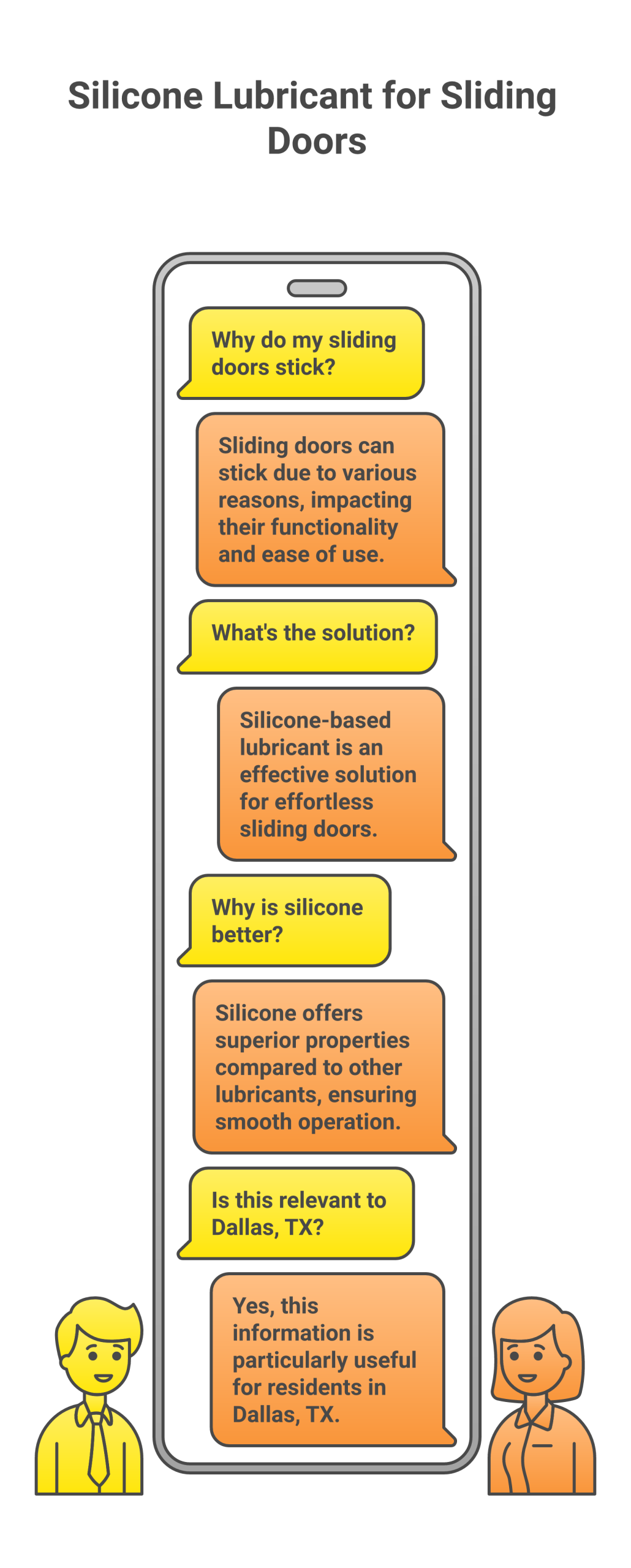
When it comes to keeping your sliding doors moving freely, a silicone based lubricant for sliding doors is truly a game-changer. Unlike petroleum-based products, silicone lubricant offers a clean, long-lasting solution that tackles friction without attracting unwanted grime.
What Makes Silicone Superior?
Silicone’s unique properties make it ideal for sliding door mechanisms:
- Non-Greasy & Non-Staining: It dries quickly to a clear, slick film, so you won’t have to worry about messy residue that can stain carpets or clothing. This is a significant advantage over heavier oils and greases.
- Doesn’t Attract Dirt & Dust: The dry film created by silicone lubricant actively repels dust and dirt, meaning your tracks stay cleaner for longer. This directly addresses the primary cause of sticking doors – accumulated debris.
- Material Compatibility: Silicone is safe for virtually all sliding door components. It won’t degrade plastic rollers, rubber seals, vinyl frames, or aluminum tracks. This broad compatibility ensures you won’t inadvertently cause damage while trying to fix a problem.
- Moisture Resistance: Silicone repels water, offering excellent protection against rust and corrosion, especially beneficial for outdoor patio doors exposed to Dallas’s humidity.
- Temperature Stability: It performs consistently across a wide range of temperatures, from hot Texas summers to cooler winter days, without breaking down or becoming gummy.
Many property owners in Dallas ask, “what can I use to lubricate the track of a sliding glass door?” The answer, unequivocally, is a high-quality silicone spray. Its effectiveness stems from its ability to reduce friction at a molecular level, providing a smooth glide that lasts.
Where to Find Quality Silicone Lubricant
Finding a reliable silicone-based lubricant is easier than you might think. Most hardware stores and home improvement centers, like Home Depot or Lowe’s, stock various brands of silicone based lubricant for sliding doors home depot. When selecting one, look for sprays specifically labeled as “100% silicone” or “dry silicone lubricant”. These formulations are designed to create a clear, non-greasy film that repels dust and dirt, ensuring long-lasting smooth operation without residue buildup.
Application Tips for Maximum Smoothness
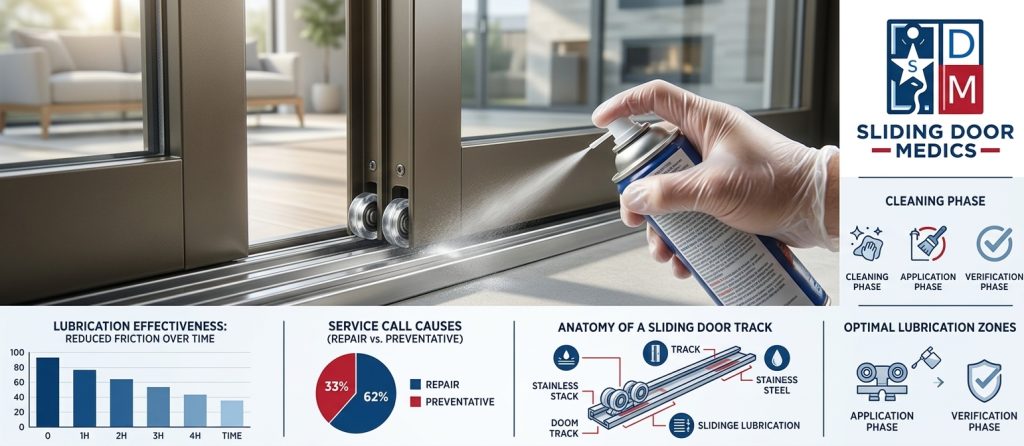
Before applying the silicone lubricant, it’s crucial to thoroughly clean the door tracks and rollers. Use a stiff brush or a vacuum cleaner attachment to remove any accumulated dirt, dust, pet hair, or old, gummy lubricant. Follow up with a damp cloth to wipe down the tracks and ensure they are dry before proceeding. Once clean, apply the silicone spray evenly along the entire length of both the top and bottom tracks. For doors with visible rollers, a light spray directly on the wheels can also be beneficial. After application, operate the door back and forth several times to distribute the lubricant thoroughly and work it into all moving parts.
Enjoying Effortless Operation
The immediate difference after applying a quality silicone based lubricant for sliding doors will be remarkable. Your door, whether it’s a patio door, closet door, or even a shower door, will glide with a new ease and quietness that can significantly improve your daily experience. Regular maintenance, perhaps once or twice a year, will keep your doors in peak condition, preventing the frustrating squeaks and struggles that often lead to more costly repairs down the line. By choosing the right product and following simple application steps, you can unlock the full potential of your sliding doors, making them truly “smooth operators” in your Dallas, TX home.