Embarking on a landscape design project for your home is an exciting venture, promising to transform your outdoor space into a functional, beautiful extension of your living environment. However, for many homeowners, the initial question often revolves around landscape design services cost and how to navigate the process of finding the right professional. You want a stunning result without unnecessary delays, hidden fees, or the headache of managing unreliable contractors. This comprehensive guide will break down the factors influencing landscape design costs, what to expect from the process, and how to select a designer who aligns with your vision and values.
Understanding the Investment: How Much Does Landscape Design Really Cost?
The cost of landscape design services isn’t one-size-fits-all. It’s a nuanced figure influenced by several key factors. Understanding these elements will help you budget effectively and have productive conversations with potential designers.
Key Factors Influencing Landscape Design Costs:
- Project Scope and Complexity: A simple planting plan for a small garden will naturally cost less than a complete overhaul of a large property involving grading, irrigation systems, outdoor kitchens, patios, and retaining walls. The more elements and the greater the complexity, the higher the design fee.
- Property Size and Topography: Larger properties require more design time, as do those with challenging terrains (steep slopes, poor drainage) that demand specialized solutions.
- Designer’s Experience and Reputation: Highly experienced designers with a strong portfolio and established reputation often command higher fees, reflecting their expertise, efficiency, and ability to deliver exceptional results. Their experience can also save you money in the long run by avoiding costly mistakes.
- Level of Detail Required: Do you need conceptual sketches, detailed master plans with specific plant lists and material specifications, or full construction documents ready for contractor bidding? Each level of detail adds to the design time.
- Geographic Location: Design fees can vary significantly based on the cost of living and market rates in your specific region.
- Additional Services: Some designers offer project management or oversight during the installation phase, which will be an additional cost but can be invaluable for ensuring the design is executed faithfully and efficiently.
Common Landscape Design Pricing Models:
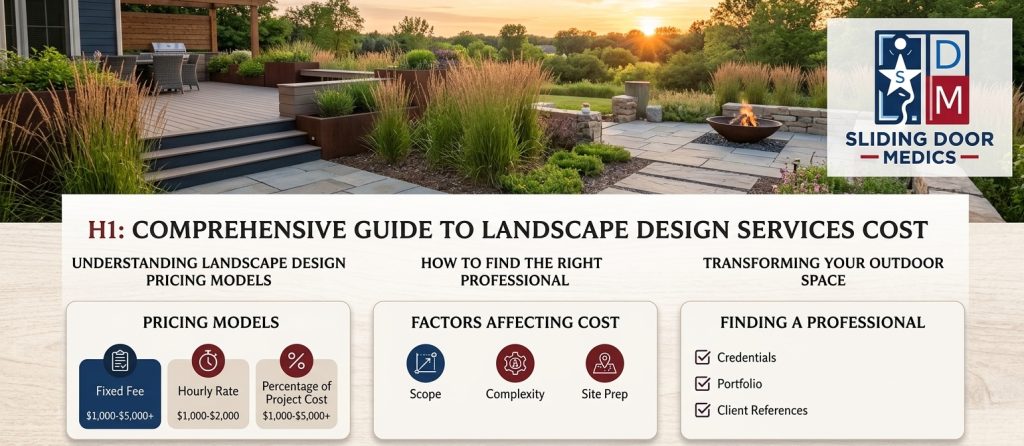
When considering how much does landscape planning cost, designers typically use one or a combination of these pricing structures:
- Hourly Rate: Many designers charge an hourly rate, especially for smaller projects, consultations, or ongoing project management. Rates can range from $75 to $250+ per hour, depending on experience and location. This model offers flexibility but can feel open-ended if not managed with clear scope boundaries.
- Flat Fee per Project: For defined projects, a designer might offer a single flat fee. This provides cost certainty for the homeowner. The fee is usually determined after an initial consultation and assessment of the project’s scope and complexity. This is often preferred by homeowners like Tessa and Clara, who value clear, predictable costs.
- Percentage of Total Project Cost: Less common for design-only services, but sometimes used for design-build firms or when the designer is heavily involved in project management and contractor selection. This can range from 10% to 20% of the total installation budget.
- Per Square Foot: Some designers charge based on the size of the area to be designed, typically ranging from $0.50 to $5.00+ per square foot. This works best for projects with a relatively uniform scope across the property.
- Phased Approach: For larger, more complex projects, the design process might be broken into phases (e.g., conceptual design, master plan, construction documents), with separate fees for each phase. This allows homeowners to control their investment at different stages and ensure satisfaction before proceeding.
Transparent communication about pricing models and what is included in the fee is crucial. Don’t hesitate to ask for a detailed breakdown of services to avoid any hidden costs or unexpected upsells, a common frustration for Sarah the Safeguarder.
The Landscape Design Process: What to Expect from Start to Finish
A professional landscape design project typically follows a structured process, ensuring a thoughtful and cohesive outcome. Understanding these stages will help you appreciate the value a designer brings.
1. Initial Consultation & Site Analysis
This crucial first step involves the designer visiting your property to understand its unique characteristics (soil, sun exposure, existing features) and, most importantly, to listen to your needs, desires, and budget. This is where your vision for an outdoor living space truly begins to take shape.
2. Conceptual Design
Based on the consultation, the designer develops initial concepts. These might include sketches, mood boards, or preliminary layouts showing proposed zones, major features, and general aesthetic direction. This is a collaborative phase where your feedback is vital.
3. Master Plan Development
Once a concept is approved, the designer refines it into a detailed master plan. This typically includes precise measurements, hardscape layouts (patios, walkways), planting plans with specific species, irrigation plans, lighting concepts, and material selections. This comprehensive document serves as the blueprint for your outdoor transformation.
4. Construction Documentation (Optional but Recommended)
For complex projects, the designer may create detailed construction drawings, specifications, and schedules necessary for obtaining permits and for contractors to accurately bid and build the project. This ensures clarity and reduces the likelihood of costly misinterpretations during installation.
5. Project Management & Oversight (Optional)
Some designers offer to manage the installation phase, coordinating contractors, overseeing construction, and ensuring the design is executed to the highest standards. This can be a significant time-saver and stress-reducer, especially for busy individuals like Tessa and Clara.
How to Find the Right Landscape Design Professional for Your Project
Choosing the right landscape designer is as important as understanding the costs. A good match ensures a smooth process and a result that exceeds your expectations. For those wondering how to find a landscape designer near me, here are key steps:
1. Define Your Needs and Vision
Before you even start looking, take time to clarify what you want. What’s your budget? What functions do you need (dining, play area, relaxation)? What style do you prefer? Having a clear vision will help you communicate effectively and find a designer whose expertise aligns.
2. Research and Review Portfolios
Look for designers with a portfolio that resonates with your aesthetic preferences. Websites, Houzz, and social media are great places to start. Pay attention to the quality of their past work and how well it reflects different styles and scopes. Reading client testimonials and reviews can also offer insights into their reliability and communication skills.
3. Check Credentials and Experience
Look for designers with relevant education (e.g., Landscape Architecture degree) and certifications (e.g., ASLA membership). While not always mandatory, these indicate a commitment to professional standards. Inquire about their experience with projects similar to yours.
4. Prioritize Communication and Transparency
During initial interviews, assess their communication style. Do they listen attentively? Do they explain their process clearly? Do they provide transparent pricing? A responsive and organized designer will save you time and frustration, a key concern for Clara. They should be willing to provide a detailed proposal outlining services and costs.
5. Request References
Always ask for references from past clients. Speak to them about their experience with the designer regarding project management, adherence to budget and timeline, and overall satisfaction. Sarah the Safeguarder especially values trustworthy and reliable service providers.
6. Interview Multiple Designers
Meet with at least two or three designers. This allows you to compare their approaches, personalities, and proposals. Ask specific questions:
- What is your design philosophy?
- How do you handle budget constraints?
- What is your typical timeline for a project like mine?
- How do you involve clients in the design process?
- What are your communication protocols?
Maximizing Your Investment and Avoiding Pitfalls
Investing in professional landscape design is an investment in your home’s value, functionality, and your quality of life. To ensure you get the most out of it:
- Be Honest About Your Budget: Share your realistic budget from the outset. A good designer can tailor solutions to fit your financial parameters.
- Communicate Clearly and Consistently: Provide detailed feedback throughout the design process. Clarity prevents misunderstandings and costly revisions.
- Understand the Contract: Read the design agreement carefully. Ensure it clearly outlines the scope of work, deliverables, payment schedule, and any clauses regarding revisions or additional fees.
- Consider Long-Term Maintenance: Discuss the maintenance requirements of your proposed design. A beautiful landscape should also be sustainable and manageable for your lifestyle.
- Don’t Rush the Process: Quality design takes time. Resist the urge to rush, as thoughtful planning prevents costly mistakes down the line.
The Seamless Connection: Enhancing Outdoor Living with Quality Access Solutions
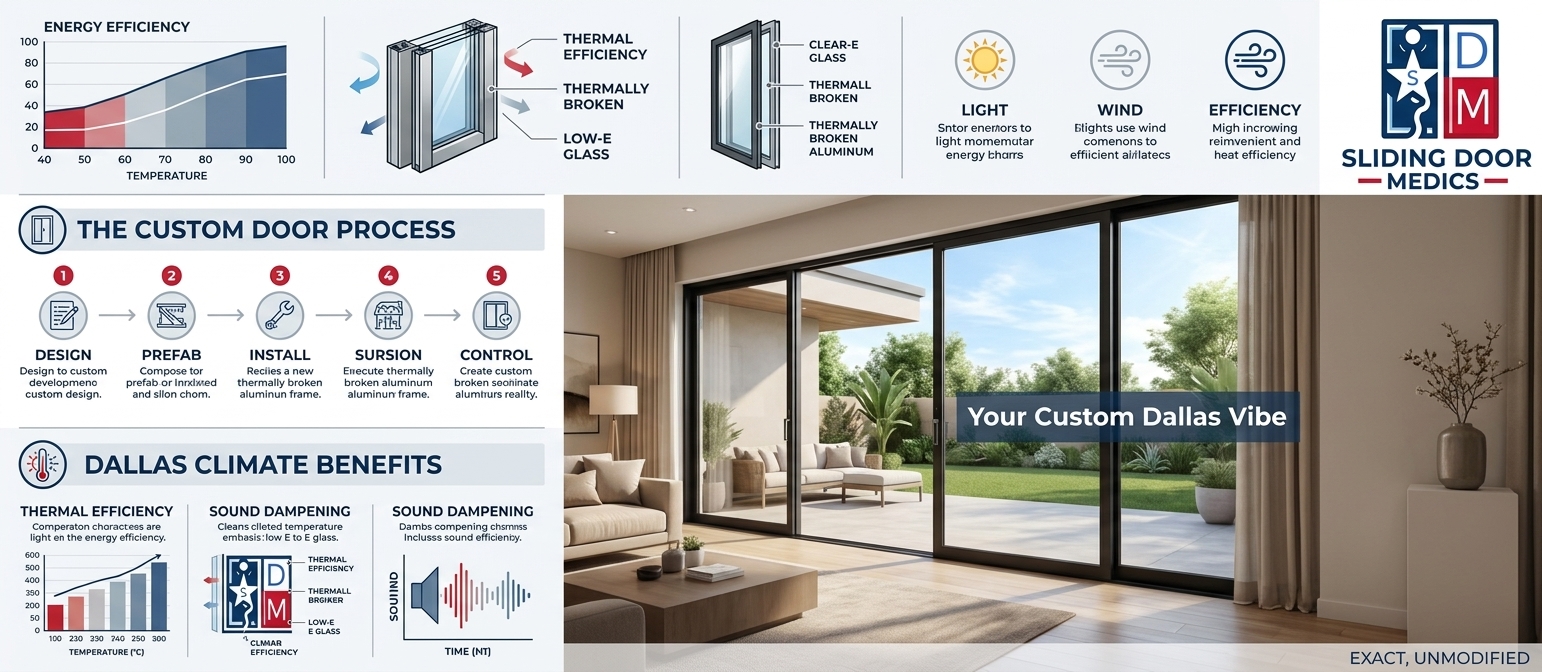
As you plan your ideal outdoor living space, consider how it will seamlessly integrate with your home. The transition from indoor comfort to outdoor beauty is a critical element of a truly exceptional design. High-quality access solutions, such as expansive sliding doors, play an understated yet vital role in this integration.
Imagine an outdoor kitchen and dining area that flows effortlessly from your indoor living room, or a serene garden retreat accessed through wide, unobstructed openings that invite natural light and fresh air into your home. Well-chosen sliding doors not only enhance the aesthetic appeal of your home and landscape but also contribute significantly to functionality and comfort. They allow for an abundance of natural light, create a sense of openness, and provide easy, elegant access to your newly designed outdoor oasis.
Beyond aesthetics, modern sliding doors offer superior energy efficiency, helping to maintain comfortable indoor temperatures regardless of the season. Their robust construction and advanced locking mechanisms also contribute to the overall security of your home, addressing Sarah’s concern for safety. By selecting durable, high-performance sliding doors, you ensure that the connection between your interior and your professionally designed landscape is as reliable and beautiful as the landscape itself.
Making an Informed Decision for Your Outdoor Oasis
Navigating the world of landscape design can seem daunting, but armed with a clear understanding of landscape design services cost and the process of finding the right professional, you’re well-equipped to make informed decisions. A thoughtfully designed outdoor space is an investment that pays dividends in enjoyment, property value, and peace of mind. By prioritizing clear communication, transparency, and a designer who understands your vision and respects your time, you can look forward to an outdoor living area that perfectly complements your home and lifestyle.